
Outsourcing small claims handling: How councils manage fairness and responsibility
Date posted:
Background
In Victoria, people can claim compensation from local councils for injuries or property damage due to council negligence.
Councils have insurance to protect the community from the financial impact of larger claims. For each claim the insurer handles, the council must pay a contribution, known as an ‘excess’.
The excess amount varies across councils, depending on the terms of the insurance policy and how much risk the council is willing to take on. The highest excess we saw during this investigation was $50,000.
In many cases the amount of compensation sought is less than the excess the council would pay if it lodged an insurance claim. These relatively small claims are known as ‘under-excess claims’.
While some of Victoria’s 79 councils handle under-excess claims in-house, more than half seek help from external contractors. These third-party claims handlers administer and assess claims, and give advice and recommendations about liability, risk mitigation and other matters. Councils make the final call on whether to accept claims, and self-fund any resulting payments – which can range from relatively small sums to tens of thousands of dollars.
Councils outsource claims management for a variety of reasons. Small councils with few staff told us they lack necessary resources. Large councils may have more staff, but densely populated areas can result in high numbers of claims. Some councils want subject matter experts to handle the process and manage challenging communications. Others are seeking a cheaper alternative to legal advice.
This report looks at how councils and the external contractors performing a public function on their behalf are meeting their obligations in relation to under-excess claims.
The overarching governance principles in the Local Government Act 2020 require that:
- priority is to be given to achieving the best outcomes for the municipal community …
- the economic, social and environmental sustainability of the municipal district …
is to be promoted … - the ongoing financial viability of the Council is to be ensured …
- the transparency of council decisions, actions and information is to be ensured.
The Act also requires councils to make decisions ‘fairly and on the merits’. When they make decisions, councils must ensure that anyone whose rights will be affected can have their say and have their interests considered. Councils must also have a fair and effective process for considering and responding to complaints.
When deciding whether to pay a claim, a council as a public body has a responsibility to be fair to the individual while considering the broader public interest.
While people making claims expect their council to fairly assess each claim on its individual merits, councils have many competing demands. They need to be able to fund services, show value for money in spending and meet community expectations. At the same time, their income sources are constrained, with costs increasing and council rates capped.
Councils should be exercising discretion within the bounds of their policies and budgets to ensure fair treatment. They should be communicating with people clearly and respectfully, and be open to complaints and reviewing decisions.
At the same time, councils have a right and an obligation to the community to responsibly defend allegations of negligence. They may also be limited by restrictions placed on them by their insurers, such as not admitting fault.
The Municipal Association of Victoria is the legislated peak body for local government in Victoria and provides services such as specialist policy advice and insurance. It said:
The claims process is, by its nature, adversarial with the burden of proof placed on the claimant. Council liability to claims of negligence are at times difficult to determine, as is the value of a claim.
Councils will often settle smaller claims using ‘ex-gratia’ payments, which are made without admitting any responsibility. Settling claims allows councils to resolve them without involving insurers or going to court. This is often an easier and cheaper option for all involved.
The under-excess claims handlers we spoke to told us they had extensive experience in the insurance industry, specifically in managing claims. Despite administering claims,
under-excess claims handlers are not required to be registered insurance companies. This means they are not usually regulated by the Australian Securities and Investments Commission (‘ASIC’) and are not required to hold an Australian Financial Services Licence (‘AFSL’) unless they are part of an insurance business.
ASIC regulates insurance companies to ensure they act efficiently, honestly and fairly, employ qualified staff and use advertising to inform customers, rather than to mislead them. But under-excess claims handlers without an AFSL do not have these explicit obligations.
It is the role of councils to ensure their contractors, including under-excess claims handlers, meet the council’s obligations under the Local Government Act and adhere to all council policies and procedures.
Why we investigated
Councils use claims handlers to provide professional advice, to make the process more consistent and to ensure claims are managed in a financially responsible way.
However, in practice these objectives are not always being balanced. Sometimes council financial interests are taking priority over fairness and good customer service.
Because of this, some people are dissatisfied with their claim outcome, believing they are entitled to more compensation than offered. Some people are also dissatisfied with the process and the way they are treated.
Between January 2022 and June 2025, the Ombudsman received more than 650 complaints about local council financial compensation and damages matters. These were not just under excess claims. The claims handlers we investigated told us they handled about 8,000 council under-excess claims in this period.
Some of the most concerning themes from the complaints to our office emerged from cases involving under-excess claims handlers. These involved claims for damage worth thousands
of dollars.
Common reasons for claims:
- injuries from uneven and damaged footpaths
- damage to vehicles and bicycles caused by potholes
- damage to driveways and fences caused by council trees.
Common complaints about claims handling:
- councils denying claims despite the people making them believing they have genuine case for compensation
- communication issues
- unclear decision making
- no or limited pathways for reviewing claim decisions.
How and who we investigated
We analysed complaints made to us and chose four Victorian councils in metropolitan and regional areas which used under-excess claims handlers. We asked these four councils for their five most recently closed under-excess claims files and reviewed these. We also met with the councils to discuss some of these cases, and their general approach to such claims.
Many of the 20 cases were managed appropriately, but we saw some examples that raised concerning issues. We explore three of these cases in detail in this report, as they represent problems we commonly see in complaints raised with our office.
We examined how the four councils managed their contracts with their claims handlers to ensure they were making reasonable and fair decisions. While we focused on council oversight, the actions of claims handlers are also discussed in this report because they are performing a public function on behalf of councils.
We have not named the councils or claims handlers, because the practices we identified appear systemic. We have deidentified the case studies to protect people’s privacy.
Claims handlers do not always directly manage claims. Sometimes they advise councils on claims, and in those cases rely on councils to provide all relevant information.
To understand broader practices in the local government sector, we also surveyed the remaining 75 Victorian councils. We asked for general information to understand how claims were handled and by whom, and requested copies of any contracts with claims handlers.
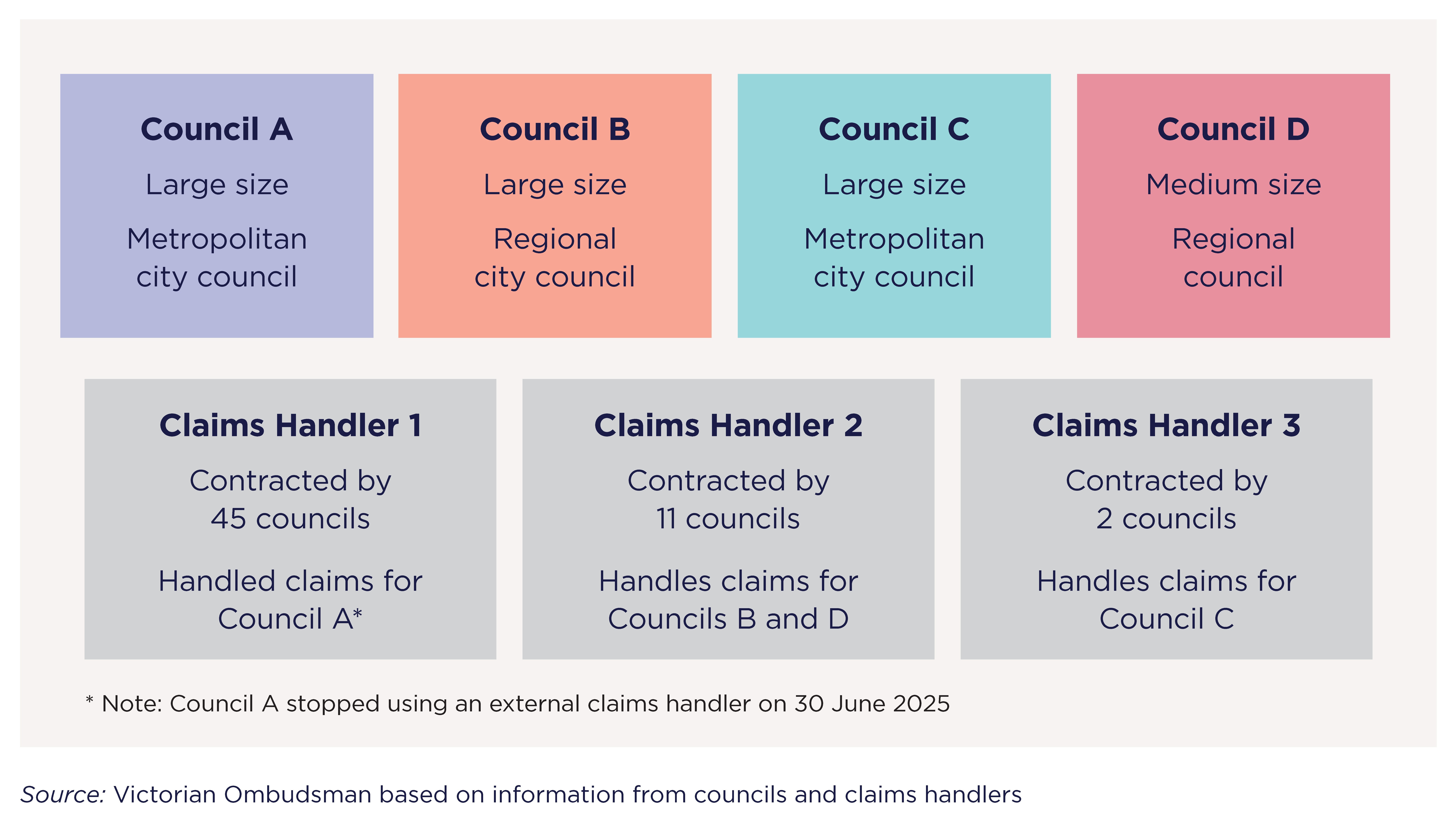
Figure 1: The councils and claims handlers discussed in this report
What we found
Issue 1: Some councils are presenting under-excess claims handlers as independent
Some claims handlers and councils tell people that claims handlers are ‘independent’, when in fact they are contracted to, and overseen by, councils.
Claims handlers’ contracts with councils explicitly oblige them to act to protect the commercial interests of councils, but this is supposed to be done in a fair and equitable manner by also considering the experience and rights of people making claims.
Presenting claims handlers as independent led some people to believe that the decision on their claim was impartial. They were not aware of the commercial relationship between the claims handler and the council.
Issue 2: Under-excess claims handlers and councils sometimes make unreasonable decisions
Sometimes, claims handlers deny claims on a council’s behalf without considering the genuine merits of the claim or if a council might be partially responsible. This is not fair. Even worse, they sometimes deny claims, or advise councils to do so, even though they think the council would be found liable if the matter went to court.
These denials appear to be an effort to prevent people with claims from receiving what they may otherwise be legally entitled to.
Claims handlers sometimes use legal language in correspondence with people making claims. This can be confusing and intimidating for people.
Issue 3: Councils are often failing to inform people of their right to have a decision reviewed
Councils and claims handlers often do not offer people a way to have their claim decision reviewed if they are unhappy with the outcome. Many people are unaware that they can challenge a claims handler’s decision, including by starting court action.
Councils are required to have a fair complaints process which should apply to complaints about claims. However, complaints about claims are often not recognised as complaints and are simply treated as part of the claims process. Councils’ customer service charters and complaints policies apply to the claims process, and claimants should be advised of this.
Case studies
Case study 1: Amir’s fence
Council A
Claims Handler 1
Amir sought $10,000 from Council A for fence damage he said was caused by roots from one of its trees. Despite Amir following up numerous times, there was a six-month delay in his claim being referred to Claims Handler 1.
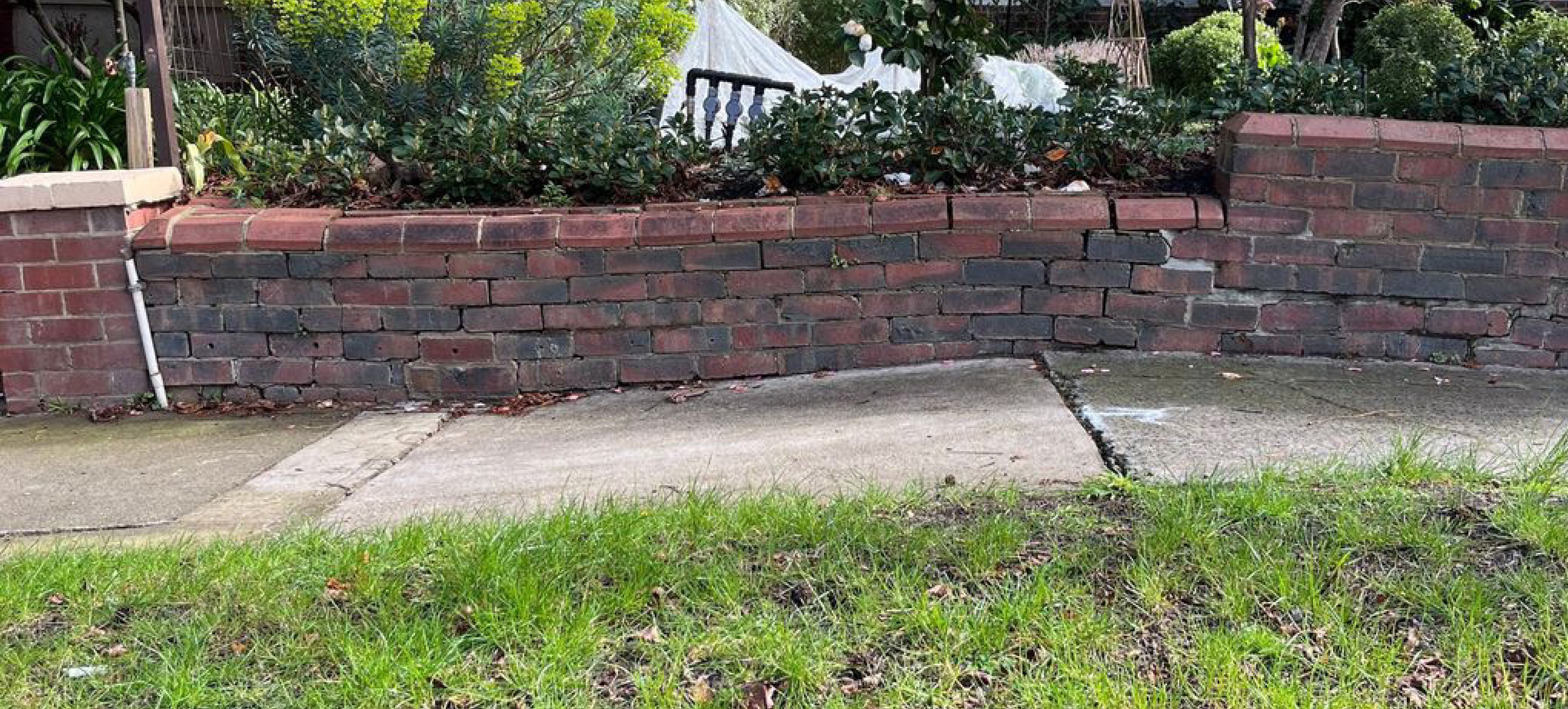
The information Council A gave Claims Handler 1 about the tree included that:
- about a year before Amir’s claim, Council A repaired the footpath directly in front of his property due to damage caused by tree roots
- soon before his claim, a tree root barrier was installed to address concerns about root growth.
Despite this, Claims Handler 1 denied that Council A was liable for the fence damage. Claims Handler 1 cited NSW case law that it claimed established ‘the legal principle that a Council is not liable for tree root damage to property if it was not previously aware of the problem’.
Claims Handler 1 cited several other factors to deny Council A’s liability, such as the fence cracks being present when Amir bought the property about four years before making the claim, the fence’s age, soil movement and other plants leaning on the fence.
Amir sought a review. Claims Handler 1 reviewed its own decision and advised Council A that it was, in fact, at ‘risk of exposure’ because it knew about tree root damage before Amir’s claim.
Claims Handler 1 had access to this information all along. The NSW case it cited supported Amir’s position as Council A was already aware of the tree root issue. Given this, it is unclear why Claims Handler 1 originally recommended denying the claim, and why Council A approved this.
The quotes Amir obtained to repair the damage ranged from $17,050 to $18,590. On Claims Handler 1’s recommendation, Council A offered Amir $5,115 – not quite a third of the cheapest quote to repair the fence. The offer came with a ‘deed of release’ which stated that Council A denied liability and would have no future liability if Amir accepted the offer. Amir counter-offered 50 per cent. He also requested a more specific deed, as he thought the terms were too broad. The deed was vague and could have been interpreted as excluding the council from any future liability for the whole property.
Claims Handler 1 considered Amir’s concerns and told Council A that ‘we cannot completely cut off future claims if they were to arise, and any new claim is assessed based on its own merit and new evidence provided’. Council A appeared open to either increasing the offer to 50 per cent or amending the release, but not both. However, Claims Hander 1 did not make Amir a new offer. The records reviewed do not show that Amir was informed that Claims Handler 1’s decision was not binding and that he could make a claim in court to seek the full amount.
In response to a draft of this report, Council A apologised for the delay in referring Amir’s claim. It told us it was experiencing exceptional circumstances at the time and did try to provide regular verbal updates to Amir. It says it now resolves claims in four to five weeks. Council A also stated that Amir was informed that court was an option ‘earlier’ in the process than when considering the deed of release.
Claims Hander 1 said in its response that its internal review process was effective. It said this was demonstrated by the changed advice it gave after reviewing its own decision and identifying new information. (Given Claims Handler 1 had known that Council A was previously aware of the root issue, it’s not clear how this could be considered ‘new information’.)
Claims Hander 1 also maintained that the 30 per cent offer was ‘both fair and reasonable in the circumstances’.
Despite his unresolved concerns, and after almost a year, Amir accepted the 30 per cent offer and the original deed. He stated: ‘we have grown tired of the drawn out process that the council has turned this into (also very disappointing) and we’ll reluctantly accept the offer in order to bring this to a close’.
Case study 2: Jane’s glasses
Council B
Claims Handler 2
Jane tripped and fell on an uneven section of a footpath causing her to lose consciousness. She injured her face and broke her prescription glasses in the July 2023 fall, and was taken to hospital.
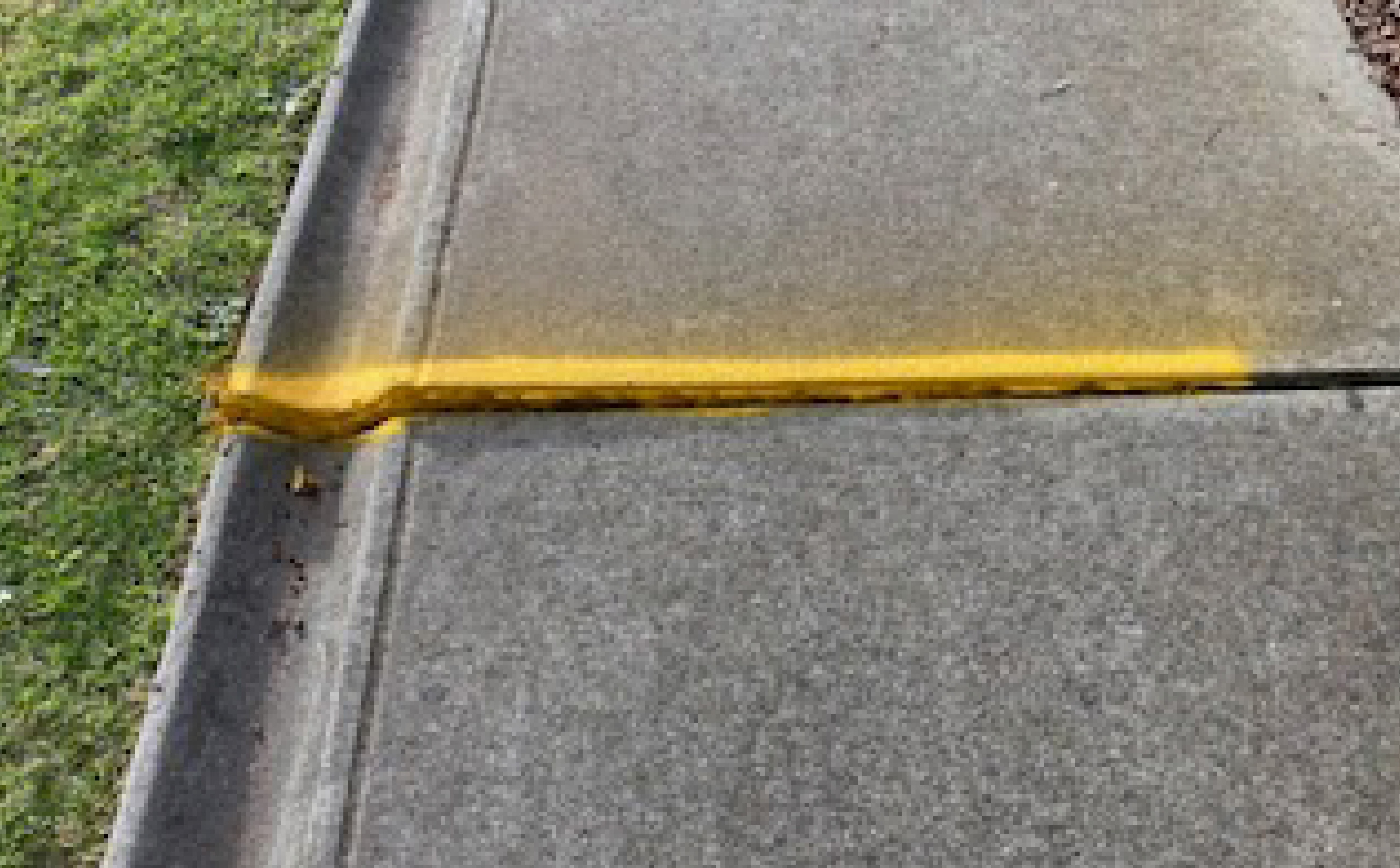
After a member of the public reported the incident, Council B called Jane to advise it would repair the path. Jane told the council she wanted to request compensation for her broken glasses.
A compensation form provided by Council B’s claims handler noted that claims had to be for at least $1,580, but Jane only wanted to claim $906.40. She called Council B to query this and was encouraged to complete the form anyway ‘to see how it goes’.
Claims Handler 2 promptly sent Jane a denial letter confirming the claim did not meet the threshold and couldn’t be considered.
Jane called Council B to express dissatisfaction that she had been encouraged to make the claim. Although Jane was clearly upset with Council B’s actions, it did not recognise this as a complaint. Jane told us that as a resident she had always been happy with Council B but the way they handled her fall was ‘less than considerate’.
Council B handled this incident purely as a compensation claim. Had it acknowledged that Jane was making a complaint, they could have focused on finding a resolution. At any time, Council B could have used its discretion to help Jane pay for replacement glasses. This could have been done without admitting liability or responsibility.
Case study 3: The Wilsons’ driveway
Council C
Claims Handler 3
Daniel and Nicole Wilson’s driveway, stormwater pipe and fence were significantly damaged by the roots of a council tree on the nature strip in front of their house.
Council C had been aware of the problem tree since at least 2017, when a previous owner complained and asked for it to be removed. Council C instead agreed to install a tree root barrier, but never did.
In 2019, Council C fixed the tree-damaged footpath in front of the property.
Daniel and Nicole bought the property in 2020. They hired a tree expert, whose report was definitive that it was Council’s C tree that ‘solely’ caused the damage.
The Wilsons sent images of the tree damage to Council C and asked that it investigate and repair the damage. They asked Council C to install a tree root barrier or remove the tree as recommended by the tree expert.
The roots had caused the driveway to crack and lift, creating a tripping hazard. Given this risk, the Wilsons replaced the driveway themselves at a cost of $13,860.
The tree expert’s report said ‘the root system of the tree has caused significant damage to the driveway and front wall … there is no other tree in proximity which is likely to be the cause of this damage … there is no evidence of root pruning … or a root barrier by [Council C to prevent the damage]’.
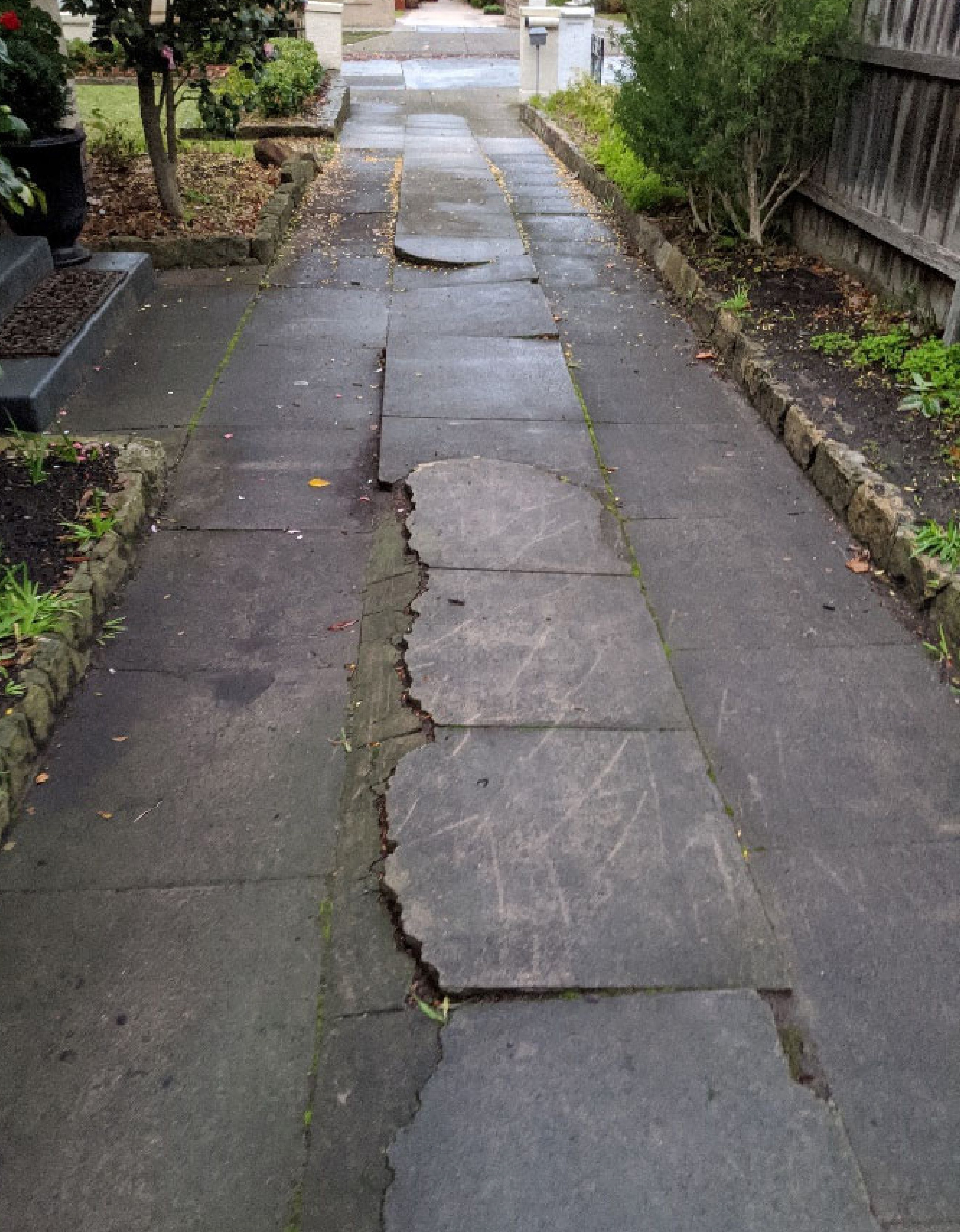
Council C did nothing about the tree in 2020.
In May 2023, the Wilsons sent the expert report to Council C and again complained about the tree damage. They made a claim for $46,271 for driveway damage, fence replacement and the cost of the report.
Council C sought help from Claims Handler 3, which gave the following advice:
- If the matter proceeded to court, Council C was likely to be found liable.
- Potential defences for Council C included that part of the damage could be attributed to a neighbour’s large tree, and to other trees since removed from the Wilsons’ front yard.
- Council C should not get updated quotes for damage repairs. The supplied quotes were from 2020 and newer quotes would go up at least 25 per cent. A claim of that value would need to go to Council C’s insurer.
- The claim value could also increase if the Wilsons had their entire property assessed. The tree expert confirmed the roots of the tree ran all the way down the driveway, potentially compromising the house foundations.
While Claims Handler 3 advised Council C that it would be risky for it to deny liability given the tree’s history, Council C decided to do so. Based on this decision, Claims Handler 3 drafted a letter to the Wilsons denying liability and offering an ‘ex gratia’ payment of $30,000. This was about two-thirds of what the Wilsons had claimed and was less than their preferred quote for just the fence replacement.
The letter also stated that it was impossible to tell whether the damage came from the removed trees, and that the neighbours’ tree could also have contributed to the damage. However, there was no basis for the claims that the damage could have been caused by other trees.
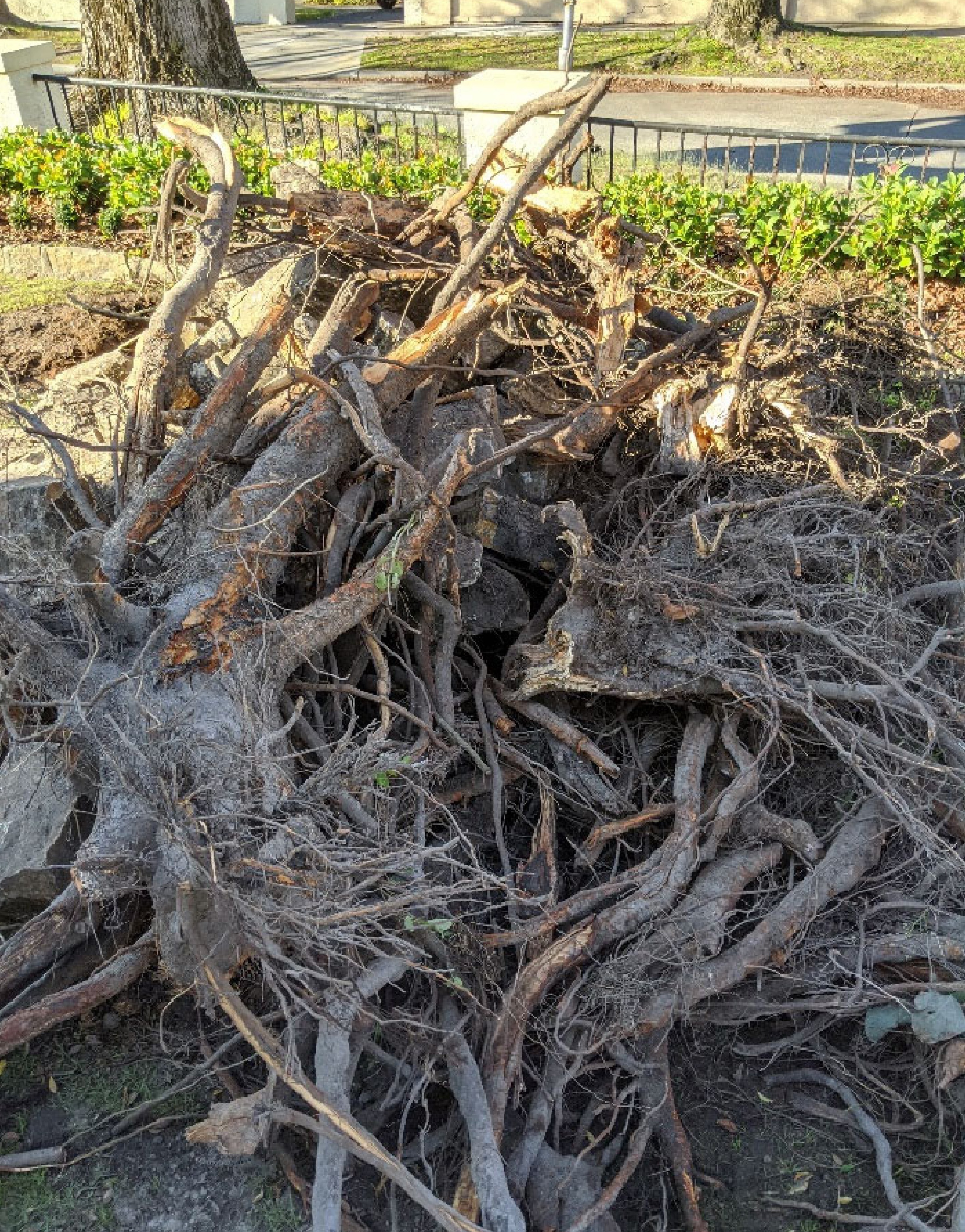
In fact, during 2023, Council C sent out its own tree expert who told the Wilsons the council tree had roots the size of a human torso, and that putting in a root barrier would likely kill it.
The Wilsons told us they were also led to believe that they couldn’t escalate their claim to Council C’s insurer. They were told ‘there is no insurance policy that responds to these demands, as they are currently made’.
Council C asked Claims Handler 3 to ‘please ensure that we have an appropriately drafted Deed of Release so that this issue cannot be brought back to Council’.
The deed that Council C asked the Wilson’s to sign in August 2023 was incredibly broad. It released Council C from ‘all claims, suits, demands and actions of every description whatsoever, arising from or associated with any and all damage to the property [address] by the roots of Council trees, prior to the date of this release being signed [original emphasis]’.
This was far from fair given the information Council C had about the extensive damage the tree had already caused, and might continue to without action such as pruning it, installing a root barrier or removing it.
Along with the deed, the Wilsons were told Council C wanted to resolve the claim before the cost escalated, pushing it beyond their insurance excess and requiring a claim to be made by Council C to its insurer. This contradicted what the Wilsons were previously told about there being no relevant insurance policy.
Council C also wrote that once it became a proper insurance claim ‘the dispute is likely to become the subject of protracted litigation’. The Wilsons found this threat of legal action intimidating and did not respond to Council C’s offer.
In September 2024, the Wilsons paid to have their fence repaired and discovered their stormwater drains were blocked by roots and concrete from council footpath works. In total, the Wilsons spent about $50,000 fixing damage caused by Council C’s tree.
The Wilsons did not accept Council C’s $30,000 offer because of the unfair deed of release and because Council C still had not taken action to stop the tree from creating more damage.
In response to a draft of this report, Claims Handler 3 stated that while it is not disputed ‘that the street tree played a role in the claimed damage … the most compelling basis for rejecting the demands made by the claimant were that the deterioration was clearly evident and known to them prior to the purchase of the property’. Claims Handler 3 maintains that the offer was ‘generous’ and that there is no ‘evidence that the assessment, management and proposed settlement of this claim was inappropriate’.
Council C has not heard from the Wilsons since making the offer. The claim remains unresolved.
Issue 1: Councils presenting under-excess claims handlers as independent
Under-excess claims handlers are contracted by councils to provide a service. It is clear from the information we gathered that these claims handlers act in the financial interest of councils. In this sense, while their claims assessments are presumably based on their expertise, they are not ‘independent’, in an ordinary sense of the word, of the council.
However, claims handlers are often described to people making claims as being independent entities.
In all 20 claims we examined, claims handlers were referred to as an independent or separate body. For example, Claims Handler 2 often refers to itself as an ‘independent liability claims consultant’ that is ‘independent of Council and our insurers’.
In a response to a draft of this report, Claims Handler 2 maintained that it can be considered independent, even though councils pay for its services and they provide confidential advice to serve councils’ interests, partly because it conducts its own investigations, the findings of which are ‘not dictated by Council’ and it is not associated with an insurance company. Claims Handler 2 also stated it clearly communicates to people making claims that it works on behalf of councils and no reasonable person would therefore expect them to help prove that the council is liable. Nevertheless, it has updated its initial letter to people making a claim to make this clear.
Claims Handler 1’s Frequently Asked Questions flyer, which is provided to people at the start of the claims process, makes no mention of it working on behalf of council. Claims Handler 1 states it is a ‘third party service’ that will ‘objectively assesses Council’s liability… [and] compliance with relevant internal plans and policies, relevant legislation and legal precedent’.
Councils also represent claims handlers as being independent. For example, one council sent this message to someone who complained about their claim being denied:
If you continue to disagree with our assessment, you can provide a written response detailing why you believe Council will be liable to provide compensation and we will refer the matter for independent review by a claims consultant.
The ‘claims consultant’ they were describing was the council’s contracted under-excess claims handler, whose contract stipulates they must consider claims in the best interest of the council.
Presenting claims handlers as independent investigators or services is misleading. Many people would never have heard of under-excess claims handlers and probably don’t understand that they are not impartial. Perceiving claims handlers as independent can prevent people from viewing claims decisions with sufficient scepticism, or put them off challenging decisions.
In response to a draft of this report, all councils we investigated which still use under-excess claims handlers agreed that the commercial relationship should be made clear.
Contradictions between claims handlers’ approaches and councils’ expectations
When pitching for work, Claims Handler 2 used the following wording in tender responses:
- ‘… our number one priority is to ensure that any settlement … represents the best possible outcome for Council’
- ‘… we have established a reputation amongst our clients for obtaining significant discounts to the amount of compensation paid’
- only paid ‘approximately 8% of the total compensation sought’ for all public liability claims it managed over the past four years.
Similarly, a tender response from Claims Handler 1 included wording like:
- ‘Over the past three years a total of $771,735.48 has been saved on under-excess claims’ for one council
- will ‘act in good faith and in the best interests of Council’.
However, Claims Handler 1’s former contract with Council A stated that Claims Handler 1 was to:
- comply with all council philosophies and in-house policies, legislation, regulations and Ombudsman’s guidelines
- determine liability in a fair and equitable manner
- ensure written outcomes are in plain English, providing a detailed explanation of the reasons for a potential denial.
While tender responses are not contractual requirements, it is not clear how claims handlers can make fair and equitable decisions for all parties if they promote their services as being focused on the best interests of councils.
We saw tender responses from Claims Handler 2 pitching for work which stated they had ‘successfully denied’ high numbers of claims.
In its response to a draft of this report, Claims Handler 2 defended its approach stating ‘this section of the [report] implies that when a claims management company is tendering … it should not include information about its success rate in defending public liability claims’. However, in our view indicating that denials are seen as successes implies that having to pay claims is a failure.
Claims Handler 1 told us that it does not reference claims denied as a measure of success and its references to savings in tenders ‘reflects the efficiency gain achieved by Council, in terms of reduced insurance premium, reduced resourcing costs, reduced legal expenditure and the avoidance of adverse legal precedent’.
Contracts that encourage claims handlers to make decisions in the council’s best interests, and an attitude that prioritises the council’s financial interest, does not support fair claim decision making and undermines the overarching values of local government.
Council contracts with claims handlers need to reflect the breadth of a council’s interests to ensure that claims handlers have to comply with policies and statutory obligations.
Council attitudes to presenting under-excess claims handlers as independent
| Council A told us that, on reflection, referring to Claims Handler A as ‘external’ was better than ‘independent’ because Council A paid it to deliver a service the council would otherwise perform. (Council A no longer uses an external claims handler.) |
| Council B viewed Claims Handler 2 as independent because it was a separate organisation that provides advice. Council B noted its default claim form states that Claims Handler 2 operates on behalf of Council B. |
| Council C believed it was appropriate to refer to its claims handler as independent, because it was separate from Council C. |
| Council D did not take a clear position when we asked about references to Claims Handler 2 as independent. We saw that Council D did not explain its relationship with Claims Handler 2 despite telling claimants their claim was being referred to an ‘independent assessor’. |
Responsibility for a contractor’s actions
The issue of council contractors being considered ‘independent’ and councils not taking adequate responsibility for contractors’ actions is not confined to under-excess claims. Similar issues arose in our 2023 report, Councils and complaints: Glen Eira City Council’sapproach to contractor work.
Issue 2: Under-excess claims handlers and councils making unreasonable decisions
Given contracts for claims handlers often include an obligation to act in a council’s financial interests, it is unsurprising that these contractors sometimes make unreasonable decisions recommending councils deny legitimate claims. This narrow financial focus sometimes prevents councils from contributing fairly towards costs they should be at least partly responsible for.
Claims Handler 1 stated ‘if there is evidence to support that Council can be considered negligent then the outcome of the objective assessment, as communicated to Council, is that the claim must be accepted’. However, we found that claims handlers will generally deny a damage claim unless the person making it can prove the council was solely responsible. This position fails to acknowledge that there are often multiple causes for claimed damage and that claims handlers’ contracts require them to determine both ‘liability’ and ‘quantum’ – the amount of the compensation. The appropriate action in many of these cases would be for a council to pay a portion of the damages claimed to reflect its level of responsibility.
Claims Handler 1 said it always considered whether a partial settlement was appropriate. However, Claims Handlers 2 and 3 focused on the ‘entire claim’ with Claims Handler 2 stating:
If our assessment finds: -
1. that Council failed in a duty of care that it owed to the Claimant,
2. that the entire claimed loss flows directly from that failure,
3. that the entire loss is compensable and
4. the entire claimed loss has been adequately proven,
we will recommend settlement of the claim.
Even in cases where councils appear to be to wholly responsible, they sometimes find questionable reasons to deny claims. In one of the 20 claims we reviewed, a tree on a nature strip fell and destroyed someone’s back fence. Claims Handler 2 denied a claim for damage caused by the tree arguing that the council couldn’t have known it would fall and therefore any resulting damage was not its fault.
However, the council knew about the problem trees in that area after receiving at least five complaints about them from residents in nine years. In response to those complaints, the Council took the minimum required action; inspecting or pruning the trees. This did not sufficiently address the problem.
When denying the claim, the claims handler also cited climate change as a reason that the council was not liable:
Further, over the past decade, climate change has resulted in increasingly severe weather conditions; with periods of extreme drought followed by heavy rainfall and high winds. These extreme weather conditions have placed public trees under significant stress, particularly mature, native trees.
In response to a draft of this report, Claims Handler 2 stated ‘we see no evidence that the assessment, management or denial of this claim was inappropriate’. However, we think it was unreasonable for Claims Handler 2 to deny the claim in full when the council knew there was a problem that could have been corrected.
Many unreasonable decisions that we saw were supported by what appeared to be legal arguments about the extent of the council’s responsibility. However, claims handlers are usually not lawyers and are not contracted to provide legal advice to councils.
This is demonstrated by Council A’s contract with Claims Handler 1 which explicitly outlines the claims handler’s role:
- [Claims Handler 1] is not qualified to provide, and will not provide legal, accounting, regulatory or tax advice that can, or should be relied on as appropriate or accurate.
- [I]n all instances, Council must form its own view and this may include seeking appropriate advice from professional legal, accounting or tax advisors before proceeding.
Claims Handlers 2 and 3 told us that lawyers are usually only consulted in highly complex and unusual cases. They also said they make it clear in all correspondence to people that they are neither a legal practice nor an insurance company.
We found examples of claims handlers using legal terms in correspondence with people making claims. This would have been confusing for some and may have deterred them from taking a claim to court. We also found case law was sometimes cited without giving full context, including in Amir’s case:
Citing case law inappropriately
When denying Amir’s claim for his damaged fence (see page 8), Claims Handler 1 cited the case of The Owners of Strata Plan No 13218 v Woollahra Municipal Council [2002] NSWCA 92. This case is commonly used by councils as guidance on the question of liability for tree root damage. However, as a NSW case it is not binding law in Victoria. In its communication to Amir, Claims Handler 1 did not refer to the case as something councils used for guidance. Rather, it was presented as a legal basis for Council A’s view that it was not liable – even though the case does not support Council A’s position as the letter made out.In its response to a draft of this report, Council A said it did not seek legal advice on whether the case applied to Amir’s claim. It stated the case was generally accepted as guidance by Victorian councils, and that it had ‘received numerous legal advices from numerous law firms that apply Woollahra in a Victorian context’. While not acknowledging any error, Claims Handler 1 did state that it understood ‘that this precedent is not binding in Victoria … however it is reflective of the position of tree liability in all States, some of which have the position enshrined in [law]’. It said it would update its letters to ensure that any legal precedents quoted were ‘fully explained and contextualised’ and that people were encouraged to seek legal advice. In our view it is not appropriate for a council or its agent to cite cases from other jurisdictions in a way that does not make clear the uncertain application of that case, either to Victorian law or to the facts of the claim in dispute. |
All the claims handlers and councils acknowledged that only councils have the financial delegation to settle claims and always make the final claim decision. Despite this, councils generally accepted the advice of their claims handlers without question and rarely sought their own legal advice.
Councils also did not take steps to ensure that decisions were consistent with the obligations of the council to make reasonable decisions. The case of the Wilsons’ driveway is an example of this:
Denying a claim where the Council knew it was likely responsible
When managing the Wilsons’ claim about tree damage, Claims Handler 3 told Council C that:
the age, type, size and proximity to the claimant’s property means that, Council could or should have known the tree was likely to cause/contribute to damage to the adjacent property. There is also a long history of complaints about this tree. In 2017, the previous owner complained about the roots of the tree and raised concerns about the damage they were doing to their property.
However, when drafting a letter for Council C to send the Wilsons, Claims Handler 3 contradicted this. Claims Handler 3 made several arguments not supported by the Wilson’s tree expert’s evidence and advised Council to only offer the Wilsons two-thirds of what they were asking for.
Claims Handler 3’s arguments included:
- part of the damage could be attributed to a large tree in the neighbour’s yard
- the Wilsons had removed several trees from their front yard and these trees, rather than the council’s tree, may have contributed to the damage.
The Wilsons’ tree experts categorically stated that the roots under the Wilsons’ driveway were from the council’s tree.
This claim decision was also unreasonable as Claims Handler 3 suspected that the damage to the property was more extensive than the Wilsons knew. The below is an excerpt from advice to Council C:
If the matter were to escalate, it is possible that the claimant could instruct engineers to undertake a thorough assessment of the entire property – which is likely to include other potential damage by the roots of the street tree. Council arborists have confirmed that the roots of the street tree have grown all the way down the driveway. Considering this there is a risk that an engineer may find that the roots are compromising the foundations of the house – if the property owners were to expand their claim on that basis, the costs of settlement would increase dramatically.
A key function of claims handlers is to assess a council’s liability for a claim and recommend a settlement amount where appropriate. However, we did not find any examples of liability being accepted, only denied. Even when claims were paid, the offers required people to sign a ‘deed of release’ that always denied liability.
Denying liability is standard practice. This is because a claim sometimes escalates beyond the council’s excess amount and becomes a claim the council can make with its insurer. However, if a council has admitted liability at any point, their insurer may not pay out as they feel their ability to defend the claim has been compromised.
Claims Handler 1 told us that they do inform councils there may be ‘insurance implications, should they admit liability’. Similarly, Claims Handlers 2 and 3 told us ‘it is common insurance and legal practice for the settlement of [claims] to be made subject to a denial of liability …’.
In effect, this means councils are unlikely to admit liability on an under-excess claim. But this position is not well understood by people making claims. When councils ask people to sign deeds releasing the council from all liability, most people perceive this as the council denying responsibility for something it is responsible for.
Claims Handler 2’s training materials for staff dealing with claims at Council B appear confusing and incorrect. They state there is ‘no policy of insurance that responds directly to a person wanting to make a public liability claim against Council’ and that most councils are ‘self-insured’. However, the Municipal Association of Victoria provides liability insurance products to Victorian councils, including Council B.
While stating the training for claims staff at councils is not intended to encourage staff to ‘prevent or hinder a member of the public from making a claim’, Claims Handler 2’s training material advised staff should ‘never suggest that [a person reporting an injury or damage] may be entitled to compensation’ and to register reports as ‘complaints’ not ‘claims’ unless the person directly asks for compensation. Claims Handler B goes on
to say:
as with any insurance cover, Council’s [public liability] policy requires that Council not take any positive action or make any admission that may impact on its insurer’s ability to defend a potential claim.
We found that claims handlers sometimes make unreasonable or doubtful decisions to save councils money, and that this is inconsistent with their obligations to act fairly.
Claims Handler 1 (which is part of a large insurance and risk management business) told us that as it is also an insurance broker it complies with an industry code of practice that promotes ethical behaviour such as ensuring fair claim settlements. It said it understands that councils also have additional obligations, such as acting fairly and being a ‘model litigant’. In contrast, Claims Handlers 2 and 3 raised concerns about being asked to make settlement recommendations based on perceived ‘social justice’ issues. We do not agree with this characterisation.
Ultimately, the responsibility for making claims decisions fairly and for training their staff to do the right thing rests with the councils.
Council attitudes to under-excess claims handling
| Council A’s (now ended) contract with Claims Handler 1 stated it ‘must ensure that liability is determined in a fair and equitable manner’. Council A emphasised it views public liability claims as ‘not a service the Council provides’ but as a ‘legal process’. It stated that ‘fairness’ is not part of the test because claims should be paid ‘on the basis of legal liability’. |
| Council B stated that Claims Handler 2’s role is purely to determine liability and the Council is satisfied with how they do this. Council B stated it is confident in Claims Handler 2’s decisions as they are the subject matter experts. |
| Council C stated that even where Claims Handler 3 fully managed a claim, regular meetings occurred for the council to put forward its opinion and discuss any concerns. Council C said that it considered the specific circumstances of each claim alongside its own knowledge and experience of similar claims to help determine how a claim should be handled. |
| Council D presents all claims and their outcomes to its Audit and Risk Committee annually for review. It also completes regular contract review meetings with Claims Handler 2 to ensure compliance. |
Issue 3: Councils failing to inform people of their right to have a decision reviewed
The Local Government Act requires councils to have a complaints policy which outlines the process community members can expect if they are dissatisfied with the actions, decisions or service of the council. This policy must include both a process for dealing with complaints and a process for reviewing any action or decision about which a complaint is made.
Section 107(2) of the Act states that the review must be independent of:
- the person who took the action
- the person who made the decision
- the person who provided the service.
The Act defines a complaint as any communication from someone expressing dissatisfaction with ‘an action taken, decision made or service provided by a member of Council staff or a contractor engaged by the Council’.
Many Ombudsman investigations, both of local councils and other public authorities, find that complaints are frequently not recognised as such. The case of Jane’s glasses is an example of this:
Failing to recognise a complaint
When Jane complained about how her glasses claim had been handled (see page 10), this was not registered as a formal complaint and was treated only as part of the claims process. Because her complaint was not recognised as one, Jane was not offered an internal review of the claim decision. She was also not offered any information about her right of review or other possible next steps, such as taking legal action. A council cannot exclude itself from the complaint process. Councils should always assess whether a complaint process is required and, if so, ensure that an internal review pathway is provided. In response to a draft of this report, Council B stated it had improved its claims handling and was committed to further change. It agreed that people submitting claims should be ‘treated fairly and in line with our customer service charter’. However, Council B made a distinction between ‘the operation of the charter, review rights and the assessment of the claim itself’. It emphasised that people making claims must always ‘produce evidence to establish the elements of negligence’ because these are ‘legal claims’ and must be treated as such. When paying claims, Council B explained that it must be financially responsible, manage claims in line with professional advice and ‘not [use] public funds to compensate people where Council has no clear legal liability to do so’. |
Any ‘expression of dissatisfaction’ with the outcome or handling of an under-excess claim should be dealt with as a complaint. Councils should then respond in line with their complaint policies and their customer service charters, regardless of whether the claim is handled internally or externally. It is clear some councils are not doing this.
But all four councils told us that people with claims are not referred to their formal complaints process when complaining about the claim outcome.
Councils and claims handlers should be referring people to the council’s complaints process throughout the claims process, not just when a report of damage is made in an attempt to divert people from submitting a compensation claim. Properly acknowledging and managing complaints is especially important where a service has been contracted out. Councils should carefully monitor the services delivered by its contractors.
In a response to a draft of this report, Council A maintained that:
… if a person is satisfied with the claims process but disagrees with the decision, then [Council]’s customer service charter or complaints process are not relevant. Rather, a claimant must seek internal merits review (if available) or proceed to Court.
Similarly, Claims Handler 2 stated:
We do not consider the legal process that a Council is obliged to follow when responding to a demand for compensation made against it by a third party, based on an unsubstantiated allegation of negligence, represents circumstances that fall within the reasonable definition of ‘customer service’.
While we agree that people should be made aware of their right to take a claim to court, we do not agree that this is the only way a person should be able to express dissatisfaction with the outcome of a claim.
When complaints are handled in line with the Local Government Act, people have the right to an independent internal review of a decision. This should be conducted by someone not involved in the original decision. At most councils using under-excess claims handlers, internal reviews are only completed by the claims handler. Often this means the claim is reviewed by the person who made the original decision.
One way to remedy this would be for councils to conduct these internal reviews themselves. However, when we surveyed all councils, only six told us they offered internal reviews.
Claims Handler 1 offers a review process that people are informed about throughout their claim. However, the claims handler’s information flyers do not state that Council A ultimately determines claims, nor that people can seek a review from or complain directly to Council A. Claims Handler 1 also only accepts review requests in writing.
Claims Handlers 2 and 3 offer similar internal review options. In response to this investigation, they told us that they have updated their denial letters to inform people they can complain to the council or Ombudsman and seek legal advice.
People have a right to take the matter further. Councils should ensure the entire claims process complies with their complaint policies and customer service standards. This means making people aware of their options for review at all stages of the process.
It is not reasonable for councils to withhold information about how people could further pursue their claims. People should be advised that if they are dissatisfied with the outcome of an internal review, they can find an external pathway for review, usually by taking legal action
In the 20 claims we examined in detail, few people were told they had a separate pathway to court if they did not agree with the council’s assessment of liability. It appears some councils may be withholding this information to deter legal action.
Council A told us that it disagreed that people should be advised of their right to make a claim in court, stating this would be ‘counterproductive to the settlement deal’.
In our view, not telling people they can take legal action can lead them to believe the council’s decision is final, when this is not so. Council A emphasised that it is difficult to have a signed and accepted settlement overturned by a court and some people might perceive advice that they can proceed to court if not satisfied with the offer as ‘threatening’.
Council attitudes to internal reviews
| Council A did provide the option for in-house review of decisions made by its under-excess claims handler. However, Council A does not advise people that they may be able to make a claim in a court or tribunal at any time. Council A stated to do so was ‘not in the spirit of negotiation and would hinder any settlement proceedings’. |
| Council B not conduct reviews in-house. It redirects requests for a review back to a senior officer at the claims handler which made the original decision. |
| Council C told us it was currently reviewing its internal review processes. |
| Council D does not conduct reviews in-house. It redirects requests for a review back to a senior officer at the claims handler which made the original decision. |
How internal reviews should be conducted
The Ombudsman’s 2021 guide, Councils and complaints – A good practice guide , provides advice on effectively identifying and managing complaints.
It states that, if required, a senior officer should conduct the independent internal review and look at whether the complaint should have been dealt with differently. This can lead to the original decision being upheld or overturned.
Where someone still believes the council has made a wrong decision, the council should provide information about how to seek an external review.
Conclusions
There is a power imbalance between local councils and people making under-excess claims. A person who feels they are entitled to compensation can seek it, but power over the outcome lies with the council and its claims handler. It is true that a person can take their claim to court, but this is a costly option not available to everyone and often not worthwhile for relatively small amounts of compensation.
Amid this power imbalance, some councils are making questionable decisions on the advice of their under-excess claims handlers. In the 20 claims we reviewed in detail, we saw examples of councils offering only partial payments even when there was strong evidence the council was responsible.
Some claims handlers provided confusing information to both councils and people making claims about the existence of insurance policies, and said councils should never accept liability in case they jeopardised their insurance coverage. It is hard to understand how liability for under-excess claims is being assessed fairly and on its merits by claims handlers and councils if this is the approach taken.
However, this approach is unsurprising given claims handlers’ contracts often require them to act in a council’s best financial interest. It is difficult to reconcile these contractual obligations with the intentions set out in the Local Government Act. Councils have to reach fair outcomes for individuals while meeting the broader needs of the whole community.
Most councils that were part of this investigation told us that they would review their contracts, communications and approaches to ensure that decisions were fair and claimants were better aware of their review and legal options. One council no longer uses an external claims handler and other councils have engaged new, experienced risk or governance personnel to oversee claims.
All councils agreed that the investigation and recommendations provide an opportunity to strengthen practices, and some stated this work was already complete. Despite these commitments and self-assessments, there is more work to be done.
All the claims handlers maintained the claims decisions we investigated and the advice they provided to councils were appropriate, fair and reasonable. Some stated that our findings that unreasonable decisions were made and legitimate claims denied lacked substance.
Nevertheless, these claims handlers have made positive changes to their communication to ensure that people are more aware of their review, complaint and legal options and also more aware that claims handlers act on behalf of councils when managing claims.
The Municipal Association of Victoria said it ‘supports good under excess claims management’, and that it was available to support councils. It said it would also help disseminate our findings to the local government sector.
The local government sector has an obligation to act in the public interest, and to deal with people honestly, fairly, and with integrity. These obligations extend to services delivered on behalf of councils by contractors. All councils have an ongoing responsibility to adequately oversee claims handlers and the advice and outcomes they provide.
The oversight we saw at some councils was not sufficient. Some councils questioned the advice provided by claims handlers, but others demonstrated a concerningly high level of trust in these businesses. Even when people complained about claims decisions, councils were not getting involved.
However, a council cannot exclude itself from the complaint process. Councils are required to assess whether a complaint process is needed and, if so, ensure that an internal review pathway is provided. This is outlined in section 107 of the Local Government Act.
By removing themselves from the complaint process, and not ensuring the decisions made by claims handlers are fair and reasonable, councils are exposing themselves to further complaints, and damaging community trust.
Opinion
Based on the evidence considered by the investigation, the Ombudsman has formed the opinion that within the meaning of section 23(1)(g) of the Ombudsman Act:
- Council A was wrong to ask Amir to sign a Deed of Release with such broad terms that may restrict him from future claims
- Council B was wrong to not treat Jane’s expression of dissatisfaction as a formal complaint, in line with its requirement to do so under section 107 of the Local Government Act
- Council C was wrong to deny responsibility for the damage to the Wilsons’ property, as it knew this was caused by its tree
- Council C was wrong to not take any proper action to reduce the damage being caused to the Wilsons’ property by its tree.
Recommendations
All Victorian councils should consider how the following recommendations apply to their own practice, and take steps to ensure that claims management is fair, reasonable and compliant with the Local Government Act.
Pursuant to section 23(2) of the Ombudsman Act 1973, it is recommended that:
Recommendation 1
To Councils A, B and C
Within 90 days, review relevant claims decisions highlighted in the case studies in this report.
| Council A response Accepted Council A stated it had reviewed Amir’s claim and would also seek ‘external legal advice about whether the appropriate offer was made, and if not what steps should be taken’. However, Council A said it would not review Ombudsman commentary it believes is ‘factually or legal [sic] incorrect’. |
| Council B response Accepted in principle Council B stated it undertook a thorough review of Jane’s case in 2023 when responding to this investigation and |
| Council C response Accepted in principle Council C committed to completing a new review of the relevant claim decision and notifying the Wilsons of any changes to its position. |
Recommendation 2
To Councils B, C and D
Within 90 days, update their approach to accurately inform people making under-excess claims about the role of under-excess claims handlers, including that they are not independent but are acting on the council’s behalf.
| Council B response Accepted Council B stated it conducted a review of its website and correspondence. It found no mention of claims handlers being ‘independent’, and that ‘information provided to claimants is very clear that the claims handler is engaged by and acting on behalf of Council’. |
| Council C response Accepted Council C stated it ‘will review all existing claims scripts and correspondence templates to ensure that the role of under-excess claims handlers is clear, including that they are external but not independent of Council, and act on Council’s behalf’. |
| Council D response Accepted Council D stated that it had always regarded its claims handler as providing a ‘contractual claims assessment’ and will update its website, forms, documentation and communication to remove any language referring to an ‘independent claims assessor’. |
Recommendation 3
To Councils B, C and D
Within six months, review and enforce contracts that:
- clarify the role of claims handlers
- oblige claims handlers to better balance the councils’ financial sustainability with fair and ethical outcomes for claimants, and good customer service
- require claims handlers to comply with relevant legislation, council policies and guidelines.
| Council B response Accepted in principle Council B stated it had reviewed its contract and was satisfied that the claims handler’s role and requirement to comply with all relevant legislation, council policies and guidelines was clear. Council B was not open to making changes that would oblige claims handlers to consider factors beyond legal liability for negligence when making assessments or recommendations but accepted that Council can do so. Council B considers all actions complete. |
| Council C response Accepted in principle Council C agreed to review its existing contract and contract management practices with under-excess claims handlers in all the areas recommended. Council C stated ‘any required changes to contract documentation will be implemented at contract renewal, which may occur outside the expected implementation timeframe’. |
| Council D response Accepted Council D stated it would review its contract and incorporate this recommendation by variation or agreement. It explained that soon after this investigation began, it put in place a new process for reviewing claims decisions before communicating them to ensure ‘comprehensive oversight by Council’. Council D also noted that it does not deny claims for financial reasons alone. It stated it has a ‘shared understanding with the claims provider that claims are paid when it can be clearly established that Council is liable’ as ratepayers would expect, and that the claims handler complies with all relevant policies and laws. |
Recommendation 4
To Councils A, B, C and D
Within 90 days, update their approach to apply their existing customer service standards and complaints policies to the under-excess claims process, including:
- ensuring people who are dissatisfied with an under-excess claim decision can access an appropriate internal review process which includes a final step that is handled by a suitably authorised council officer
- informing people of their other options, like making a claim for compensation in a court.
| Council A response Council A stated it stopped using an under-excess claims handler in June 2025. It stated all reviews are handled by an authorised council officer, and that it advises people of other options like making a claim in court where appropriate. The Ombudsman’s view is that this recommendation remains relevant to Council A in its direct handling of under-excess claims. |
Council B response
|
| Council C response Accepted Council C stated it will review and update as necessary its relevant policies, claims scripts, and correspondence templates’ to ensure the inclusion of information about internal reviews and other options such as seeking legal advice or contacting the Ombudsman. |
| Council D response Accepted Council D stated it already reviews under-excess claim decisions in-house when required, in addition to its claims handler’s internal review process. Council D also said it supports people to ‘raise concerns about a claim decision as a complaint, at which point it is independently assessed … in accordance with Councils Complaints Handling Policy’. Council D also informs people of their options to contact the Ombudsman or to seek legal advice. Council D said it would update the wording on its website and forms to emphasise its own internal reviews, and available complaint options. |
Appendix 1: Our investigation
Authority to investigate
Local councils deliver a broad range of services to their residents, including assessing claims of negligence made to the council. Handling residents’ complaints about services is a core public function of councils and is recognised in the Local Government Act.
In this instance, because councils are outsourcing a core function to under-excess claims handlers, the same policies, principles and legislation must be applied and adhered to by these private bodies.
This means that although claims handlers are private businesses, they are performing a public function on behalf of councils and providing a service to residents who have no other choice but to engage with them.
This provides the Victorian Ombudsman jurisdiction over private claims handlers to consider the actions taken by them on behalf of councils, as per section 2 of the Ombudsman Act 1973.
On 15 and 18 September 2023, the former Ombudsman notified the mayors and chief executive officers of the four councils discussed in this report of her intention to investigate this matter.
Procedural fairness
This investigation was guided by the civil standard of proof which requires that the facts be proven on ‘the balance of probabilities’. This differs from the criminal standard of ‘beyond a reasonable doubt’.
To reach our conclusions, we considered:
- the nature and seriousness of the matters examined
- the quality of the evidence
- the gravity of the consequences an adverse opinion could create.
This report makes adverse comments, or includes comments which could be considered adverse, about the four councils included in the investigation, and three under-excess claims handlers. In line with section 25A(2) of the Ombudsman Act, we provided these councils and the under-excess claims handlers with a reasonable opportunity to respond to the report. This report fairly sets out their responses.
We also consulted with the Municipal Association of Victoria as the legislative peak body for local government in Victoria and have reflected its response in this report.
In line with section 25A(3) of the Ombudsman Act, we make no adverse comments about anyone else who can be identified from the information in this report. They are named or identified because:
- it is necessary or desirable to do so in the public interest
- identifying them will not cause unreasonable damage to their reputation, safety or wellbeing.